

On Thinking Well

The Career Moat: Work in an Uncertain World.
A moat is a protective barrier that makes a castle difficult to attack. In career terms, a moat is the collection of capabilities that continues to create value even as jobs, technologies, industries, and market conditions change.
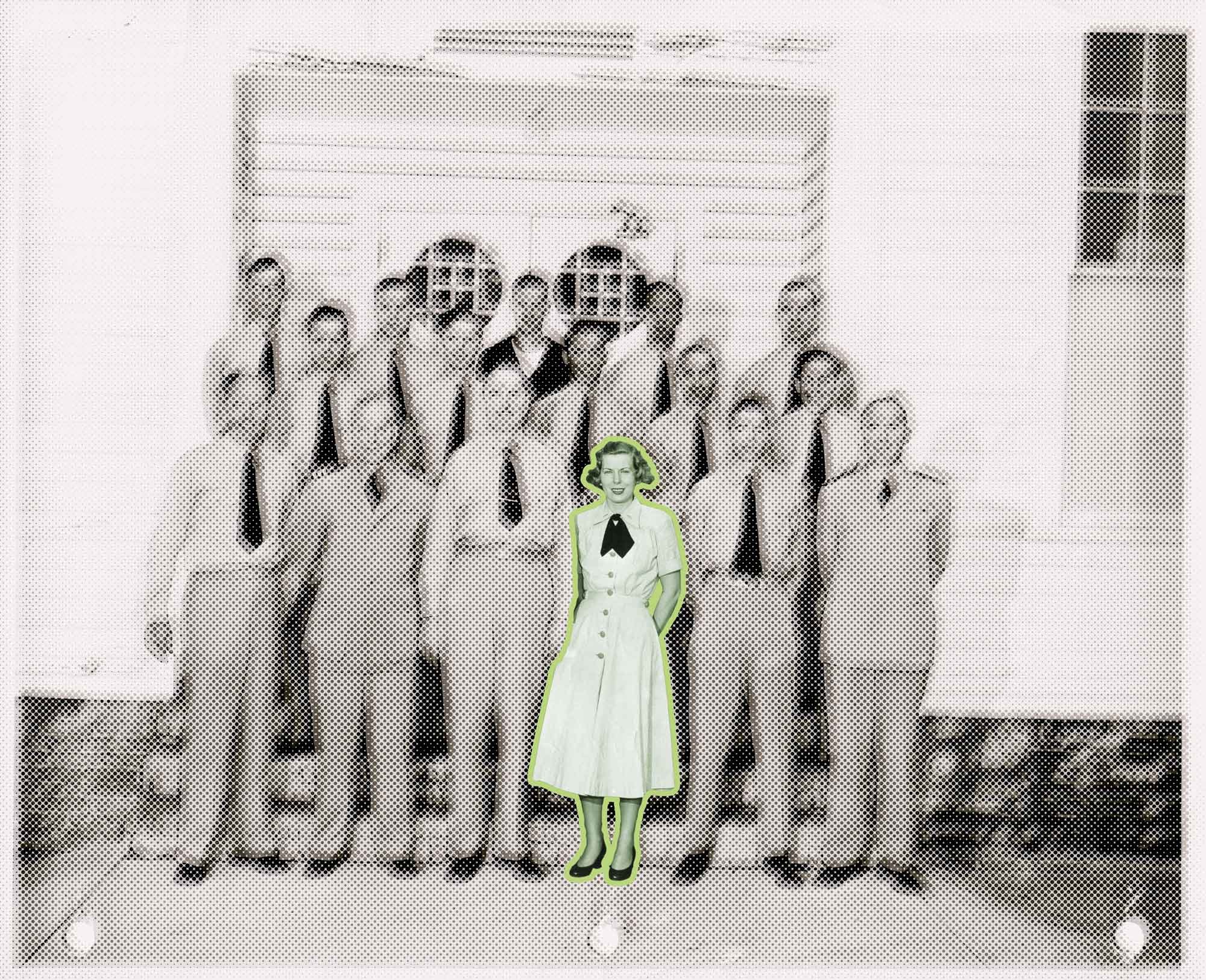
When Everyone Knows
…and why it changes what organizations can do. There is a difference between people knowing something and people knowing that others know it. That difference, or common knowledge, is the subject of Steven Pinker’s When Everyone Knows That Everyone Knows.

Dan Pink’s Punch in the Face
Dan Pink’s YouTube is one of my favorite subscriptions. His Feb 9, 2026, uncomfortable AI experiment was fascinating to watch, and my reactions to my own results were much like his. Thanks Dan! I’m using his 11 questions, collapsed into seven themes for leaders to consider.

Everyone Needs to Know How Learning Works
Every day, people make decisions about learning. They design training programs, onboard new hires, prepare others for high-stakes work, support children in school, or try to build new skills themselves. Those decisions shape performance, safety, confidence, and long-term capability.

Rethinking Best Practices
When I think about the handful of things that most reliably distinguish strong business acumen from superficial competence, it’s a short list. One of the most consequential is the ability to avoid overgeneralization, recognizing when an idea that worked somewhere is being treated as if it should work everywhere.

Stop Calling it Soft Skills
In business, it’s a common but lazy term. If something is financial, operational, or technical, we call it hard. If it involves people, things like confidence, trust, readiness, leadership, we call it soft. Soft becomes shorthand for nice but not measurable.
That’s an expensive mistake.

Why the Halo Effect Still Trips Up Smart Leaders
The halo effect is a mental shortcut where one strong impression often based on a single visible trait or outcome, shapes how we judge everything else about a person or organization. If something looks good (or bad) in one area, we tend to assume the rest must be good (or bad) too, even when there’s no real connection between those qualities.