

Helping Leaders Thrive
in Complex Conditions
I help people, teams, and organizations build the capability to perform when conditions are challenging and unpredictable.

Leaders today face shifting priorities, incomplete information, and pressure to act without clear answers. Meeting those demands takes new ways of thinking and working with a focus on the capacities that matter most.
Resilience in Uncertainty – Adapting when outcomes can’t be predicted or controlled
Strategy in Disruption – Navigating industries, technologies, and norms in flux
Expertise in Complexity – Tackling challenges that cross boundaries and resist simple fixes
Action in Ambiguity – Moving forward when signals conflict and delay carries risk
Systems Sensemaking – Bringing perspectives together when no single view is enough
Expertise has to be built for these conditions. My work develops that expertise at the intersection of people and systems, where judgment and performance are tested every day.
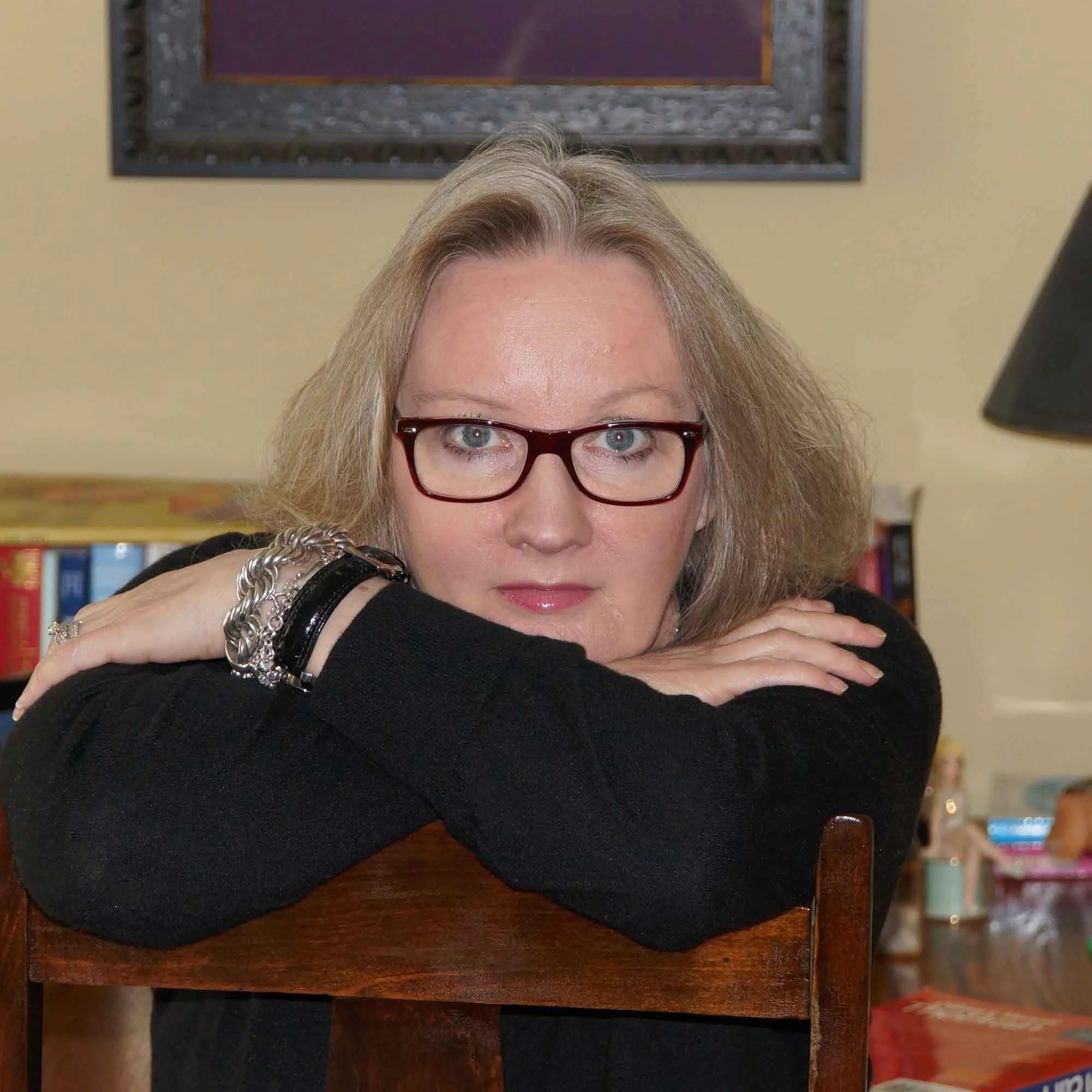
Pamela Ey, Ph.D.
Building Experts for a Complex World
My background spans accounting, business, and behavioral science, anchored by a Ph.D. in Business Administration on the competencies that improve performance.
I’ve taught in MBA and graduate programs in Talent and Organizational Development, designed training and measurement systems for high-reliability industries across North America and abroad, and advanced research in naturalistic decision making, macrocognition, job competency, organizational development, and human performance.
That mix of business and behavioral science shapes how I help people and organizations build expertise where uncertainty, pressure, and complexity are highest.
Want to learn more?
How this Work Started
For as long as I can remember, where others asked, “What if I fall?” my instinct was, “What if I can fly?” That question pulled me toward studying how people grow, how performance improves, and how we can move beyond what feel like fixed limits.
I began as a researcher asking a business version of the same question: What capabilities make the biggest difference in performance? What I found changed everything. Expertise isn’t confined to technical tasks with clear answers. It can be built for challenges that are messy, uncertain, and constantly shifting.
That insight has become the center of my work: helping leaders develop the capabilities needed to make sound decisions and work effectively in complexity and change.
What I Believe
We all need expertise for the conditions we face every day: complexity, ambiguity, uncertainty, and constraint.
This expertise can be learned and built. It comes from developing habits of mind that make sense of complexity, practicing them, and strengthening them until they become second nature.
The expertise for challenging conditions grows through five habits of mind:
Framing — defining the real problem or situation.
Thinking Ahead — preparing for what might happen next.
Thinking Together — drawing on multiple perspectives.
Juggling Trade-Offs — balancing competing demands under pressure.
Deciding in the Wild — making sound calls in real-world conditions with incomplete and imperfect information.
I believe in building a culture of expertise as a way of working where these habits are shared and reinforced across teams and organizations. In such a culture, people face tough conditions with clarity and confidence. The result is more than good decisions: it is stronger people, stronger teams, and organizations ready for whatever comes next.
What Gets in the Way
Unclear external demands; shifting conditions no one has framed
Misaligned systems and strategies
Silos, poor coordination, or blocked communication
Overload and pressure that cloud judgment
Where I Intervene
Mission
Organization
Team
Individual
What Helps Performance
Shared understanding of context and purpose
Structures and strategies that support sound decisions
Collaboration that frames problems clearly and moves work forward
Habits of mind that support sound judgment under uncertainty
How I Work
I meet each client where they are. Some arrive with a clear need and a plan for how they want it solved. Others come with symptoms but no diagnosis, and I help frame the problem or opportunity to find the most practical starting point.
Whatever the entry point, the work always connects to the bigger picture — how choices and pressures play out across individuals, teams, organizations, and the wider environment. My role is to remove what gets in the way and strengthen what makes performance possible.
Where I Intervene
Mission
What Gets in the Way
Misaligned systems and strategies
Where I Intervene
Team
Unclear external demands; shifting conditions no one has framed
What Gets in the Way
Shared understanding of context and purpose
What Helps
Performance
Structures and strategies that support sound decisions
What Helps
Performance
What Gets in the Way
Overload and pressure that cloud judgment
Where I Intervene
Individual
Organization
Where I Intervene
Silos, poor coordination, or blocked communication
What Gets in the Way
Collaboration that frames problems clearly and moves work forward
What Helps
Performance
Habits of mind that support sound judgment under uncertainty
What Helps
Performance
Every leader and team faces situations without clear answers.
You don’t need to have it all figured out before we start. Part of my role is helping find the most practical entry point. That might mean acting as a sounding board, running a workshop, or building a longer partnership.